
 By
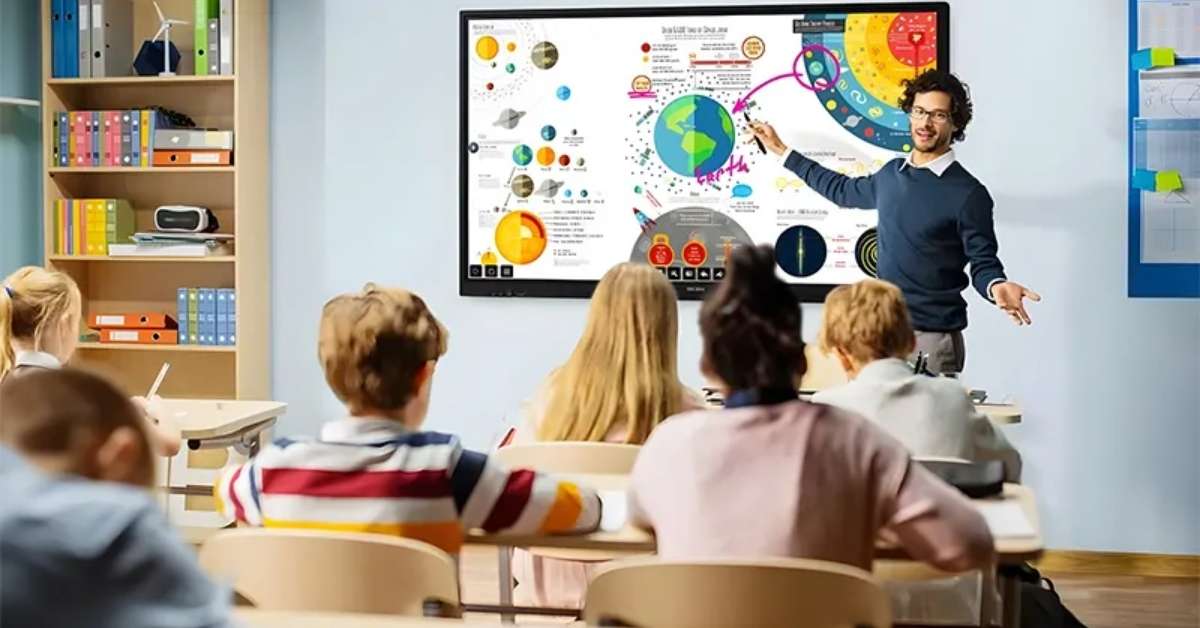
By Classroom 20x is transforming the way we think about education, creating a future-ready, technology-enhanced learning environment that prioritizes personalized student experiences, collaboration, and engagement. Gone are the days of traditional classrooms where students passively absorb information from a single teacher at the front of the room. The Classroom 20x model integrates adaptive learning technologies, immersive experiences, and data-driven teaching strategies to foster critical thinking and prepare students for the challenges of the 21st century.
From schools in Europe to innovative learning spaces in Asia, Classroom 20x is being implemented globally to enhance student outcomes, boost engagement, and make learning more relevant to today’s rapidly evolving world. This article explores everything you need to know about Classroom 20x, including key features, benefits, examples, implementation strategies, challenges, and the future of this learning model.
What is Classroom 20x?
Classroom 20x is more than just a trend; it is a philosophy for modern education. It emphasizes technology integration, student-centered learning, and flexible classroom design. Unlike traditional classrooms, where teaching is one-size-fits-all, Classroom 20x focuses on personalization, collaboration, and hands-on learning experiences.
At its core, Classroom 20x is built around four main pillars: technology-enhanced instruction, adaptive learning, collaborative teaching, and flexible classroom spaces. Schools adopting this model often utilize AI-driven platforms, digital dashboards, immersive VR/AR tools, and cloud-based collaborative applications to facilitate learning. These classrooms are designed to meet the needs of every student, regardless of learning style or pace.
Key Features of Classroom 20x include:
- Integration of AI-assisted instruction for personalized feedback.
- Flexible learning spaces that promote movement, collaboration, and creativity.
- Use of immersive technologies like VR and AR for experiential learning.
- Emphasis on project-based and hands-on activities to build real-world skills.
- Real-time analytics to track student progress and adapt teaching strategies.
A quote from Jane Smith, an educational technology expert, captures the essence: “Classroom 20x is about creating a learning environment where every student can thrive. Technology is not the goal; it’s the tool to unlock potential.”
Benefits of Classroom 20x
The advantages of Classroom 20x extend beyond technology; they directly impact both teachers and students. Here are the primary benefits:
1. Improved Student Engagement: Students are more involved when learning is interactive and personalized. Tools like adaptive learning platforms and digital collaboration apps keep students actively engaged.
2. Personalized Learning: AI-driven systems allow teachers to tailor lessons to individual student needs, ensuring everyone progresses at their own pace.
3. Enhanced Collaboration: Flexible seating arrangements and collaborative digital tools encourage peer-to-peer learning and teamwork.
4. Teacher Efficiency: Automation of administrative tasks and real-time data on student performance help teachers focus on instruction rather than paperwork.
5. 21st Century Skills Development: Students develop critical thinking, problem-solving, and digital literacy skills, preparing them for future careers.
Academic and Non-Academic Advantages:
| Advantage | Description |
| Academic Performance | Students show improved grades due to personalized instruction. |
| Digital Literacy | Exposure to technology prepares students for modern workplaces. |
| Collaboration | Peer-to-peer learning enhances communication skills. |
| Self-Directed Learning | Students learn to manage their own educational progress. |
| Engagement | Interactive tools maintain attention and motivation. |
Examples of Classroom 20x Around the World
Schools worldwide are embracing Classroom 20x principles, demonstrating its versatility and effectiveness.
Case Study 1: Ørestad Gymnasium, Denmark This school uses flexible learning spaces and digital platforms to allow students to collaborate and personalize their learning paths. Classrooms are open-plan, encouraging project-based learning.
Case Study 2: High Tech High, USA High Tech High integrates VR and AR for immersive learning experiences. Students work on projects that combine science, technology, engineering, and art, fostering creativity and innovation.
Case Study 3: Escuela Nueva, Colombia This rural school leverages technology and student-centered pedagogy to provide personalized education in multi-grade classrooms, demonstrating that Classroom 20x can work in diverse contexts.
Technology Tools in Action:
- AI Tutoring Systems: Provide adaptive exercises and feedback.
- VR/AR Applications: Allow immersive historical simulations and lab experiments.
- Digital Dashboards: Track student engagement and performance.
- Collaborative Platforms: Enable real-time peer and teacher collaboration.
Implementation Strategies
Implementing Classroom 20x requires thoughtful planning. Schools must address infrastructure, training, curriculum adaptation, and continuous evaluation.
Step-by-Step Implementation Plan:
- Assessment: Evaluate current classroom design, technology, and teaching methods.
- Technology Selection: Choose tools like adaptive learning platforms, VR/AR applications, and collaborative software.
- Teacher Training: Provide professional development on technology integration and student-centered pedagogy.
- Curriculum Adaptation: Align lessons with flexible, project-based approaches.
- Evaluation and Feedback: Use real-time analytics and performance dashboards to continually refine the learning process.
By following these steps, schools can successfully transition to a Classroom 20x model that benefits both students and teachers.
Challenges and Solutions
Despite its benefits, Classroom 20x comes with challenges:
1. Cost and Infrastructure: High-tech tools can be expensive. Solutions include phased implementation and government or community funding.
2. Teacher Training: Not all educators are familiar with new technology. Ongoing professional development programs help bridge the gap.
3. Digital Equity: Students may lack access to devices or reliable internet. Schools can provide shared devices and offline-access tools to ensure inclusivity.
4. Data Privacy: Handling student data requires robust cybersecurity measures and compliance with privacy regulations.
Table: Common Challenges vs Solutions
| Challenge | Solution |
| High cost of technology | Phased implementation, funding programs |
| Teacher readiness | Continuous professional development |
| Digital divide | Provide shared devices and offline tools |
| Data security | Implement strict cybersecurity protocols |
Future of Classroom 20x
The future of education is hybrid, adaptive, and technology-driven. Classroom 20x is a stepping stone toward even more advanced models like Classroom 30x, where AI, VR, and analytics play a central role in designing highly personalized learning experiences.
Predictions include:
- Increased use of AI-driven learning paths for each student.
- Greater integration of immersive experiences in everyday learning.
- Seamless hybrid and remote learning options to support global education access.
- Continued focus on student-centered, project-based learning for real-world problem-solving.
READ MORE >>> Plor4d85 Pot Review: Uses, Features, Benefits & Buying Guide
Supplementary Topics for a Comprehensive View
Classroom 20x Pedagogy
Classroom 20x encourages student-centered teaching, flipped classrooms, and blended learning techniques. Active and collaborative learning strategies are central to developing 21st-century skills.
Metrics & Evaluation
Using learning analytics dashboards, teachers can monitor student engagement, performance, and progress. These metrics help identify gaps and tailor instruction in real-time.
Equity & Accessibility
A Classroom 20x must ensure technology access for all students, including those with disabilities. Adaptive tools and inclusive platforms are essential for equitable learning.
Parent and Community Engagement
Parents and communities play a vital role. Schools can involve parents through digital portfolios, project showcases, and community-based projects, fostering collaboration beyond the classroom.
Frequently Asked Questions (FAQs)
What is Classroom 20x and why is it important?
Classroom 20x is a modern learning environment emphasizing technology, collaboration, and personalized learning. It helps prepare students for 21st-century challenges.
How is Classroom 20x different from traditional classrooms?
Unlike traditional classrooms, Classroom 20x uses adaptive learning, technology tools, flexible spaces, and project-based methods to enhance engagement and outcomes.
What technologies are essential for Classroom 20x?
Essential tools include AI-assisted learning platforms, VR/AR applications, collaborative software, and digital dashboards for tracking progress.
Can any school implement Classroom 20x?
Yes, but successful implementation requires careful planning, teacher training, infrastructure assessment, and phased adoption.
What are the biggest challenges of Classroom 20x?
Challenges include cost, digital equity, teacher readiness, and data privacy, all of which can be mitigated with proper planning.
How does Classroom 20x improve student engagement?
By providing personalized learning paths, immersive experiences, collaborative projects, and interactive tools, students remain motivated and focused.
What is the future of Classroom 20x?
The model is evolving toward Classroom 30x, featuring greater AI integration, hybrid learning, immersive technologies, and personalized education paths.
Are there examples of successful Classroom 20x schools worldwide?
Yes. Schools like Ørestad Gymnasium (Denmark), High Tech High (USA), and Escuela Nueva (Colombia) demonstrate effective implementation of Classroom 20x principles.
Conclusion
Classroom 20x represents the future of education, combining technology, pedagogy, and flexible learning spaces to create engaging, personalized, and collaborative learning environments. By adopting this model, schools can enhance student outcomes, prepare learners for the digital age, and empower teachers to focus on what matters most—teaching.
The global examples, step-by-step implementation strategies, and insights into challenges highlight that Classroom 20x is practical, scalable, and adaptable to any educational context. For schools ready to innovate, embracing Classroom 20x is a crucial step toward the classrooms of the future.
“Education is not the filling of a pail, but the lighting of a fire.” – W.B. Yeats – Classroom 20x helps ignite that fire in every student through innovation, collaboration, and personalized learning.