
 By
By When applying for a loan, one of the most common questions borrowers ask is simple: what exactly do direct lenders check before approving your loan? Understanding this process can significantly improve your chances of approval and help you apply with confidence rather than uncertainty.
Direct lenders in the UK follow strict regulatory standards to ensure responsible lending. They are required to assess affordability, verify identity, and evaluate risk before making any decision. If you are considering applying through a platform like THLDirect.co.uk, which connects borrowers with the lenders in the UK, knowing what lenders look for can help you prepare properly.
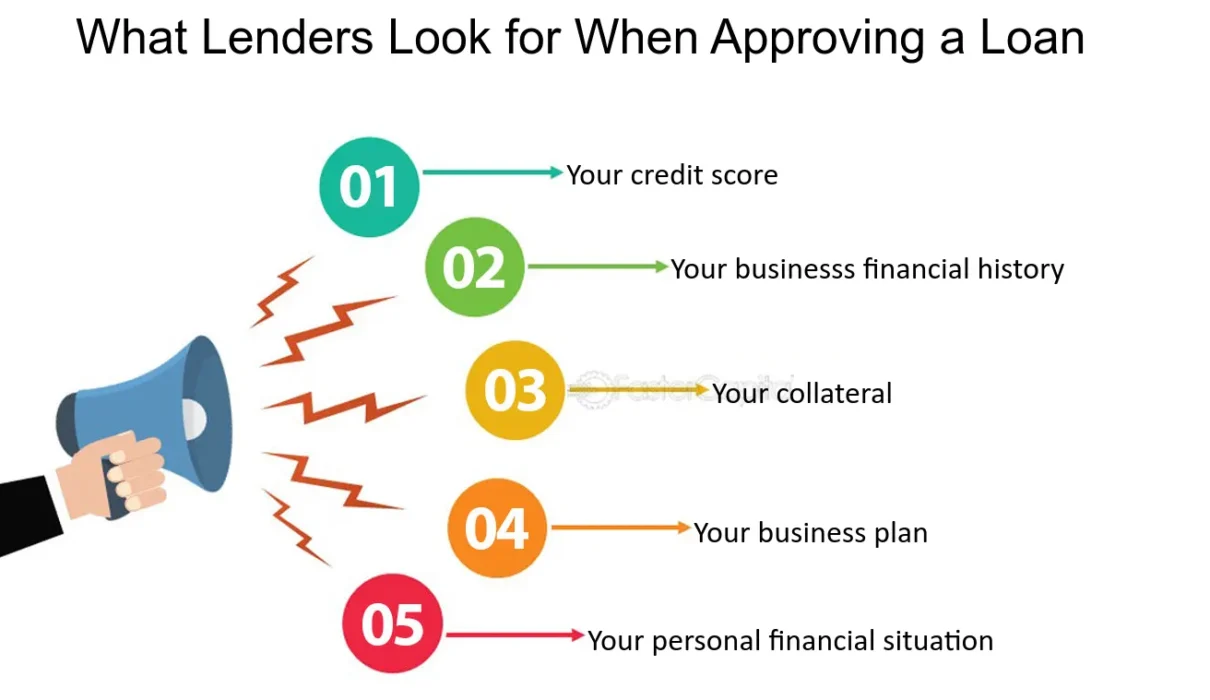
Below is a clear breakdown under seven key headings to help you understand the approval process.
1. Your Credit History and Credit Score
The first and most obvious factor lenders examine is your credit history. This includes your credit score, repayment record, outstanding debts, and any past defaults or County Court Judgments.
Direct lenders typically review your credit file through major UK credit reference agencies such as Experian, Equifax, and TransUnion. They look at how consistently you have managed credit in the past. Have you paid loans and credit cards on time? Do you have multiple missed payments? Are you heavily reliant on short term borrowing?
A high credit score does not automatically guarantee approval, and a lower score does not always mean rejection. Many direct lenders use risk based pricing, meaning they assess the overall profile rather than just a single number. However, your credit behaviour gives lenders insight into how reliable you may be as a borrower.
2. Your Income and Employment Stability
Income stability is often more important than many borrowers realise. Lenders want to see that you have a consistent and sufficient source of income to repay the loan without financial strain.
They may assess:
- Your monthly salary
- Employment status, whether full time, part time, self employed, or contract based
- Length of time with your current employer
- Regularity of income payments
A stable job with consistent income generally strengthens your application. Self employed applicants can also qualify, but they may need to provide additional documentation to demonstrate income consistency.
Direct lenders are required by the Financial Conduct Authority to carry out proper affordability checks. This ensures that loans are not approved irresponsibly.
3. Affordability and Monthly Financial Commitments
Beyond income, lenders carefully evaluate your affordability. This means reviewing how much disposable income you have after covering essential expenses.
They may consider:
- Rent or mortgage payments
- Utility bills
- Existing loan repayments
- Credit card balances
- Child maintenance or other financial obligations
Some lenders use open banking technology, with your permission, to analyse recent bank transactions. This allows them to assess real time spending habits rather than relying solely on declared income.
If your expenses leave very little room for additional repayments, the lender may decline the application or offer a smaller amount. Affordability is one of the most critical factors in today’s lending environment.
4. Your Existing Debt Levels
Your current debt load plays a major role in approval decisions. Even if you have a strong income, high levels of existing debt may raise concerns.
Lenders typically look at your debt to income ratio. This compares how much you owe against how much you earn. If a large portion of your income is already allocated to debt repayments, adding another loan may increase risk.
They also assess your credit utilisation ratio, particularly on credit cards. Using a high percentage of your available credit can signal financial pressure.
Maintaining manageable debt levels improves your borrowing profile and signals responsible credit behaviour.
5. Identity Verification and Fraud Checks
Before approving any loan, lenders must verify your identity. This is a legal requirement aimed at preventing fraud and financial crime.
They may check:
- Your address history
- Electoral roll registration
- Valid identification documents
- Consistency of personal details across credit records
If there are discrepancies in your information, the application may be delayed or declined. Ensuring that your details are accurate and up to date across financial records can streamline the approval process.
6. Banking Behaviour and Transaction Patterns
Modern direct lenders increasingly assess real banking behaviour. With your consent, they may review transaction patterns to understand how you manage money.
They may look for:
- Regular income deposits
- Gambling transactions
- Frequent overdraft usage
- Returned direct debits
- Payday loan reliance
This does not mean minor irregularities automatically result in rejection. However, consistent financial instability reflected in bank statements may reduce approval chances.
Responsible banking behaviour, even with a modest income, can strengthen your application.
7. Overall Risk Assessment and Lending Criteria
Finally, direct lenders combine all these factors into an overall risk assessment. Approval decisions are rarely based on a single metric. Instead, lenders evaluate your entire financial profile.
Each lender has its own criteria and risk tolerance. Some specialise in borrowers with near prime credit, while others cater to applicants with less than perfect credit histories.
This is where platforms like THLDirect.co.uk can be particularly helpful. THLDirect.co.uk connects borrowers with the lenders in the UK, allowing applicants to explore suitable options based on their financial circumstances rather than approaching individual lenders blindly. This can improve efficiency and help match borrowers with lenders whose criteria align with their profile.
Final Thoughts
Understanding what direct lenders check before approving your loan removes much of the uncertainty from the application process. Credit history, income stability, affordability, debt levels, identity verification, and banking behaviour all play important roles in the decision.
Instead of focusing only on whether you will be approved, it is more productive to focus on strengthening your financial profile before applying. Review your credit report, reduce unnecessary debt where possible, ensure your information is accurate, and apply only for amounts you can comfortably repay.
When you approach borrowing with preparation and awareness, the process becomes far less stressful and far more predictable.